ArborMaster Home

Category

Tree Care

21 articles

Where the Hedge Turns Woody: How Far Back Can You Cut a Conifer?

Where the Hedge Turns Woody: How Far Back Can You Cut a Conifer?

The brown centre of a conifer hedge isn’t a sign you’ve failed — it’s mostly shade and old wood doing what old wood does. Here’s how to judge the green margin, spot species that forgive a harder cut, and know when to stop before renovation turns into replacement.

Saw Later, Not Sorry: A Homeowner’s Guide to Nests and Tree Work

Saw Later, Not Sorry: A Homeowner’s Guide to Nests and Tree Work

Bird nests can turn a straightforward prune into a legal and ethical minefield, but the answer isn’t to avoid tree work forever. This guide explains how to spot an active nest, what the law expects, and how to plan pruning or removal for the quieter months with confidence.

The Inner Brown Is Often Normal: Making Sense of Conifer Needle Drop

The Inner Brown Is Often Normal: Making Sense of Conifer Needle Drop

Brown needles inside a conifer are often part of its natural cycle, not a sign that the tree is dying. This guide separates ordinary seasonal shed from drought stress, root trouble and disease, and explains what to check before you reach for the secateurs.

Heavy Branch, Clean Exit: The Three-Step Cut That Protects Your Trunk

Heavy Branch, Clean Exit: The Three-Step Cut That Protects Your Trunk

A heavy limb can peel a long strip of bark off your tree if it falls before the saw has finished its job. The three-cut method is a simple sequence that gives gravity somewhere safer to go. Here is how UK homeowners can judge when it is a sensible DIY job and when to put the saw down.

Fruiting Bodies, Not Fortune Tellers: Reading Mushroom Clues Around UK Trees

Fruiting Bodies, Not Fortune Tellers: Reading Mushroom Clues Around UK Trees

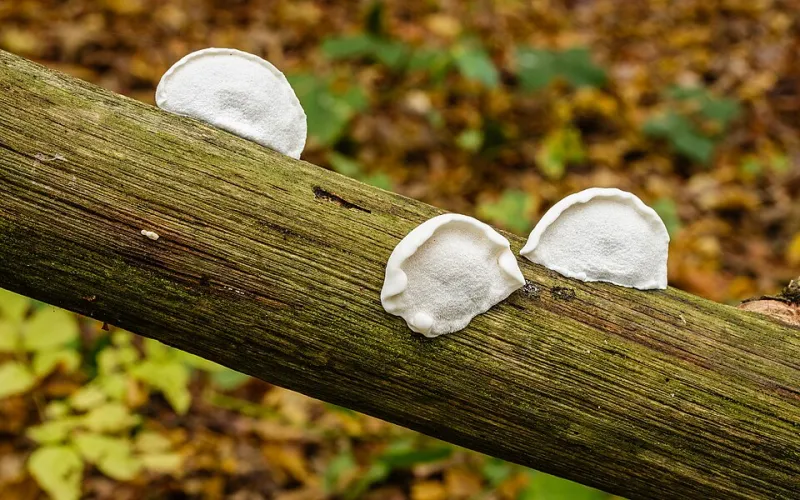
A mushroom at the base of a mature tree can be a harmless recycler, a helpful soil partner or a sign that something inside the wood is changing. Here’s how UK homeowners can record what they see, avoid pointless DIY treatments and judge when a proper tree assessment is worth paying for.

The Branch You Can Leave: Judging Deadwood Risk Without Stripping a Tree Bare

The Branch You Can Leave: Judging Deadwood Risk Without Stripping a Tree Bare

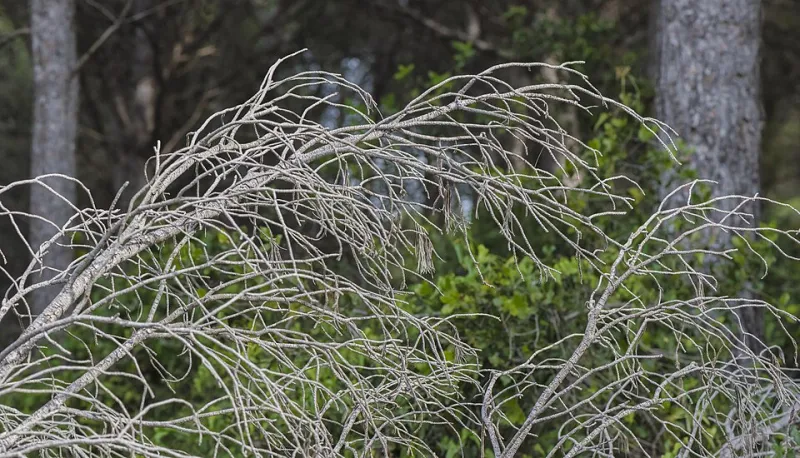
Deadwood is not automatically a defect, and a tree stripped of every dead branch is not automatically safer. This guide walks UK homeowners through the sensible middle path: spotting limbs that genuinely threaten people or property, leaving the ones that do not, and knowing when a professional report is worth paying for.

A Doughnut, Not a Mountain: Getting Mulch Right Around UK Trees

A Doughnut, Not a Mountain: Getting Mulch Right Around UK Trees

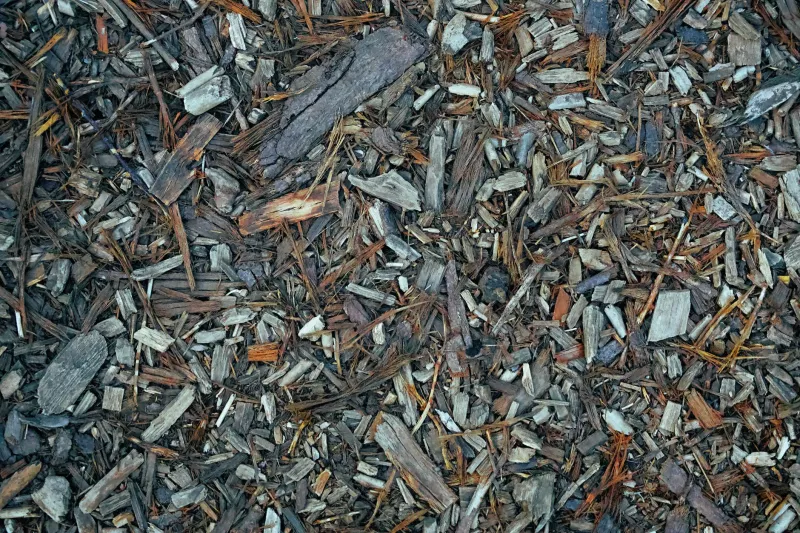
A neat cone of bark chips around a tree trunk can look tidy, but it often does more harm than good. Here is why trunk-hugging mulch causes trouble, what a healthy mulch ring should look like, and when a sickly tree needs an expert eye rather than another bag of chips.

Ivy on Trees: A Lodger, Not a Thief — How to Tell the Difference

Ivy on Trees: A Lodger, Not a Thief — How to Tell the Difference

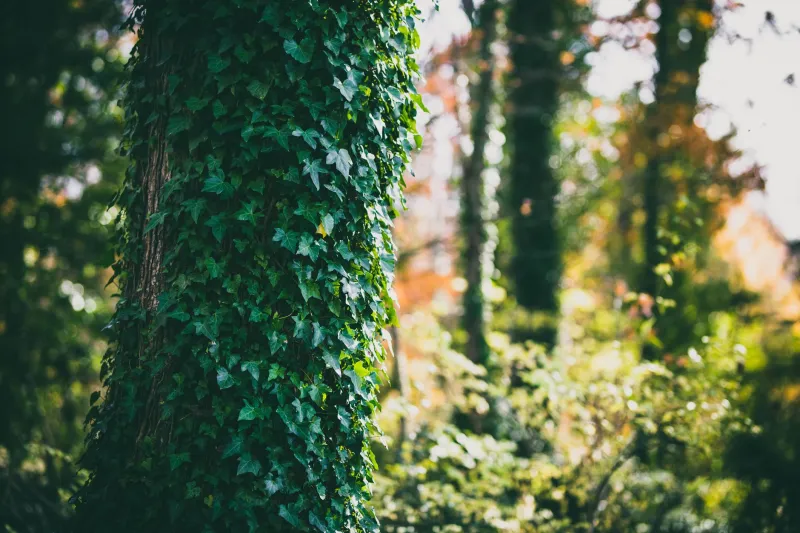
Ivy gets blamed for killing trees it has never harmed, and defended by people who have never looked underneath it. Here is how to inspect a tree through the green blanket, when removal is worth the money, and how to do it without harming the tree or breaking wildlife law.

The Stump Stays? Rethinking the Bit of Tree You Usually Pay to Remove

The Stump Stays? Rethinking the Bit of Tree You Usually Pay to Remove

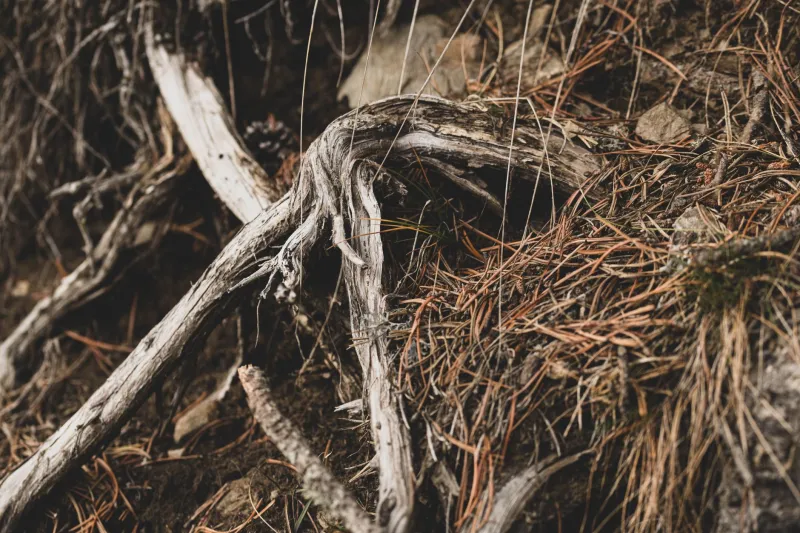
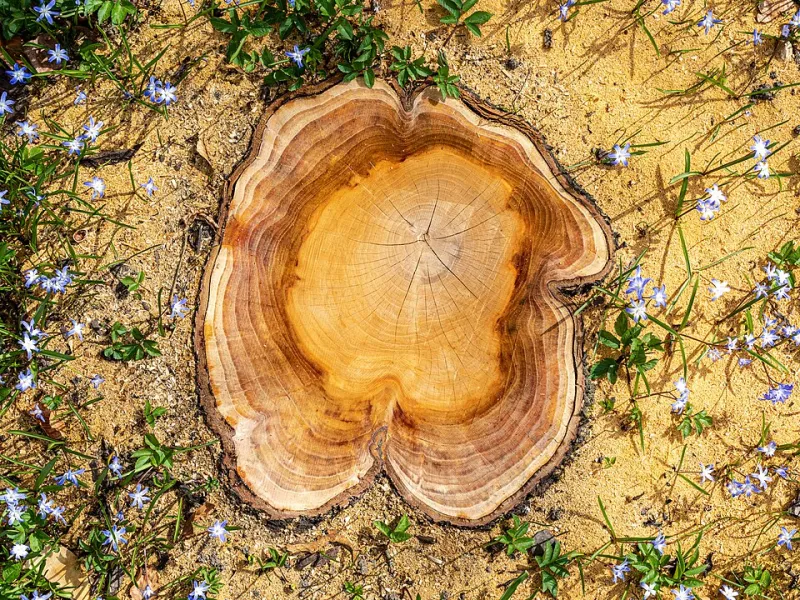
Most homeowners see a tree stump as an eyesore, a trip hazard or a job for the grinder. But a stump can also be a small wildlife feature, a fungal nursery and a useful reminder of what was there. Here is how to decide whether to grind it out or deliberately leave it standing.

The Dormant Pruning Rulebook for UK Apple and Pear Trees

The Dormant Pruning Rulebook for UK Apple and Pear Trees

November is the right time to prune apples and pears — but only if you can tell a fruit spur from a water shoot. A simple three-step audit helps you take out the wood that is holding the tree back without sacrificing next year's crop.

The Hard Prune Habit: Why Topping a Tree Is a False Economy

The Hard Prune Habit: Why Topping a Tree Is a False Economy

Hard topping is often sold as a quick fix, but it creates decay, weak regrowth and future hazard risk. Here is why proper reduction pruning costs less in the long run, how protected trees change the rules, and how to vet an arborist before work starts.